Skilled Tire Repairs: Return to the Road With Safety and Haste
Professional tire maintenance hold an important position in preserving vehicle safety and capability. Qualified specialists execute meticulous inspections to identify multiple tire issues. From leaks to alignment concerns, all issues demand meticulous review. Recognizing when to reach out professional assistance can circumvent subsequent problems. As drivers face these challenges, they could reflect on the finest repair solutions and maintenance approaches. Delving into these subjects can produce thoughtful choices and more protected adventures to come.
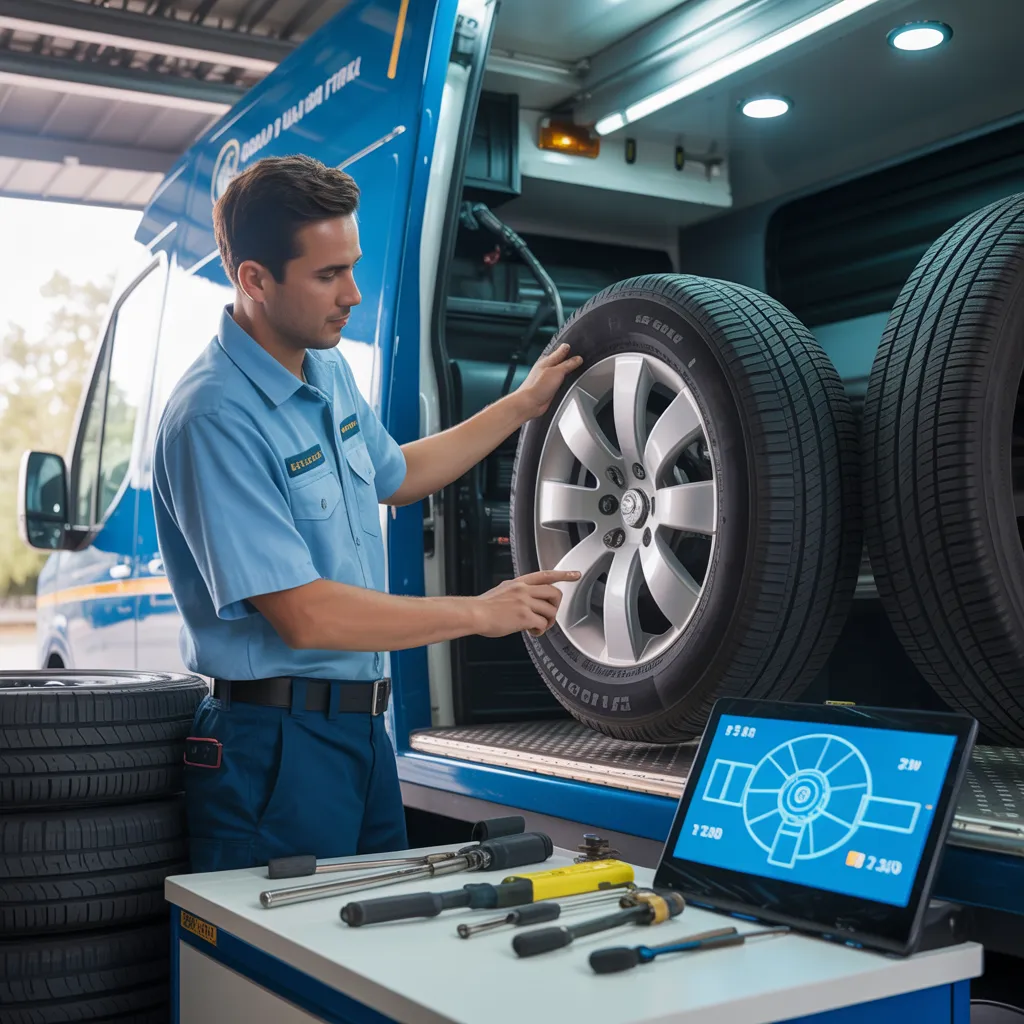
Common Tire Problems to Understand
When motorists ignore their tires, they may face several frequent concerns that can compromise safety and performance. One prevalent issue is underinflation, which can lead to increased tire wear and lower fuel efficiency. Over time, this can lead to the tires to overheat, increasing the risk of a blowout. Another common problem is tread wear, which affects traction and handling, particularly in wet conditions. Uneven wear may indicate alignment or suspension issues, requiring further inspection. Additionally, drivers may face punctures or sidewall damage from road hazards, causing slow leaks or complete tire failure. Regular tire rotations, inspections, and proper inflation are vital for preventing these issues. Finally, climate effects can also cause tire degradation, making it important for drivers to stay vigilant about their tire health. By identifying these common problems, drivers can enhance their safety on the road.
How to Know When to Get Tire Repairs?
Recognizing the signs that tire repairs are needed is essential for preserving vehicle safety and performance. Drivers should be attentive for particular signals that suggest tire issues. Uneven wear designs on the tread, for example, may suggest alignment issues or insufficient inflation. Additionally, apparent harm, such as cuts, bulges, or holes, often requires prompt care. A abrupt loss of air pressure or regular need for air replenishment
Drivers should carefully observe handling and performance changes, such as vibrations or pulling to one side, which could indicate tire imbalances or internal damage. Finally, regularly checking tread depth is essential; tires with bald or worn areas weaken traction. By monitoring these signs, drivers can secure timely repairs, increasing both safety and vehicle longevity. Addressing these issues promptly not only thwarts potential accidents but also reduces more extensive repair costs down the line.
What to Anticipate During the Tire Repair Process
The tire restoration method typically requires several key procedures to guarantee safety and efficiency. First, a technician reviews the tire for visible damage and assesses its full condition. This examination aids in deciding whether the tire can be repaired or needs replacement. Following the inspection, the technician may take off the tire from the wheel to identify punctures or internal damage.
Once any issues are located, the technician cleans the damaged area and readies it for restoration. This may involve applying a seal or plug, based on the nature and position of the damage. After the fix is finished, the tire is reinstalled and properly inflated to the manufacturer's specifications.
Finally, a quality check certifies that the repair complies with safety protocols. Throughout the process, mechanics stress correspondence, keeping the buyer of reports and guidance. This structured approach guarantees a reliable repair, allowing commuters to resume to the road with certainty.
Do-It-Yourself Tire Service versus Professional Support
Upon understanding the tire restoration process, many drivers may consider whether to tackle repairs independently or get expert assistance. DIY tire repairs can be appealing, notably for those with basic technical expertise and tools. Easy punctures can often be repaired using fix kits found at auto supply stores, saving both time and money. However, this strategy carries dangers if proper procedures are not applied, potentially creating additional damage or safety concerns.
Conversely, professional tire repair services provide specialized knowledge and advanced tools. Skilled professionals can properly evaluate tire damage, ensuring repairs remain both effective and secure. They can also identify underlying issues that a do-it-yourself method might overlook. In the end, the choice between DIY repairs and professional help depends on the driver's self-assurance, background, and how serious the tire damage is. Creating a well-reasoned choice is essential for ensuring safety on the road.
Tips for Finding the Perfect Tire Repair Service
How should drivers guarantee they choose the best tire restoration service? First, they should research regional options, focusing on customer feedback and ratings. This information provides clarity into the service quality and consistency of various shops. Next, looking for certifications and memberships with well-known automotive organizations can reflect skill and experience.
Moreover, motorists should question the types of repairs offered, confirming the service can resolve their distinct tire problems. Transparent pricing is also necessary; reputable services give clear quotes without hidden charges.
Moreover, analyzing the shop's repair guarantees on work performed can give reassurance. Finally, convenience is crucial—closeness to your home or workplace, as well as operating hours, can determine the decision. By evaluating these considerations, drivers can confidently pick a tire repair service that satisfies their requirements effectively.
Benefits of Consistent Tire Maintenance
Regular tire upkeep delivers numerous benefits that prolong the life span and output of tires. By routinely checking tire pressure, tread depth, and overall condition, vehicle owners can ensure optimal grip and control. Correct air pressure reduces wear, improving fuel efficiency and reducing costs at the pump. In addition, routine checks can help identify problems such as irregular deterioration or harm, allowing for prompt fixes that prevent more significant problems down the road.
Properly maintaining tires further raises safety by reducing the risk of punctures or accidents from lack of tread. Additionally, a properly kept set of tires ensures a smoother ride, increasing comfort for the driver and passengers. By investing time in regular tire care, individuals can optimize the value of their investment, securing reliable performance and peace of mind while driving. In conclusion, regular tire maintenance is a vital part of responsible vehicle ownership.
Methods for Dodging Future Tire Problems
Deliberately maintaining tires can greatly reduce the likelihood of later problems. Periodically checking tire pressure is critical; deflation can trigger untimely wear and reduced fuel efficiency. It is wise to review tires for visible damage, such as cuts or bulges, which may point to structural issues. Cycling tires every 5,000 to 8,000 miles helps make certain get details level wear, increasing their lifespan.
Additionally, keeping correct alignment and balance is important to avoid uneven tread wear. Drivers should also check tread depth, employing the penny test as a simple method; if Lincoln's head is visible, it's time for a replacement. Finally, preventing excessive loading of the vehicle can reduce excessive strain on tires. By applying these methods, vehicle owners can enhance tire longevity and promote a safer driving experience.

Regularly Sought Questions
How much time does a standard tire repair take?
A typical tire service usually requires between 30 minutes to an hour determined by the extent of damage and the particular repair required. Variables like technician presence and shop busyness can also influence the duration.
Can All Wheel Kinds Be Repaired?
Not all tire types can be fixed. Typically, tread area punctures of passenger tires may be repairable, while damage to the sidewall, excessive deterioration, or tires with several prior fixes often require new tires to guarantee safety.
What Amount Should You Anticipate to Pay for Tire Repairs?
Tire mending costs typically range from $10 to $30, reliant upon the degree of damage and location. Aspects including tire type and the repair shop may shape the final price, causing it variable.
Is Tire Repair Included in Insurance?
Repair coverage for tires varies based on your insurance plan. Some policies provide roadside assistance or repair costs, whereas others do not this protection. It's crucial for people to review their specific policy details to identify what protection exists for tire maintenance.
What Ways Can Allow Me to Extend My Tire's Lifespan?
To maximize a tire's longevity, routine upkeep is important. This entails sustaining correct tire pressure, rotating tires frequently, ensuring proper alignment, steering clear of excessive weight, and observing tread depth for marks of deterioration or injury.
Comments on “Used Tires Near Me Carefully Inspected for Quality and Safety”